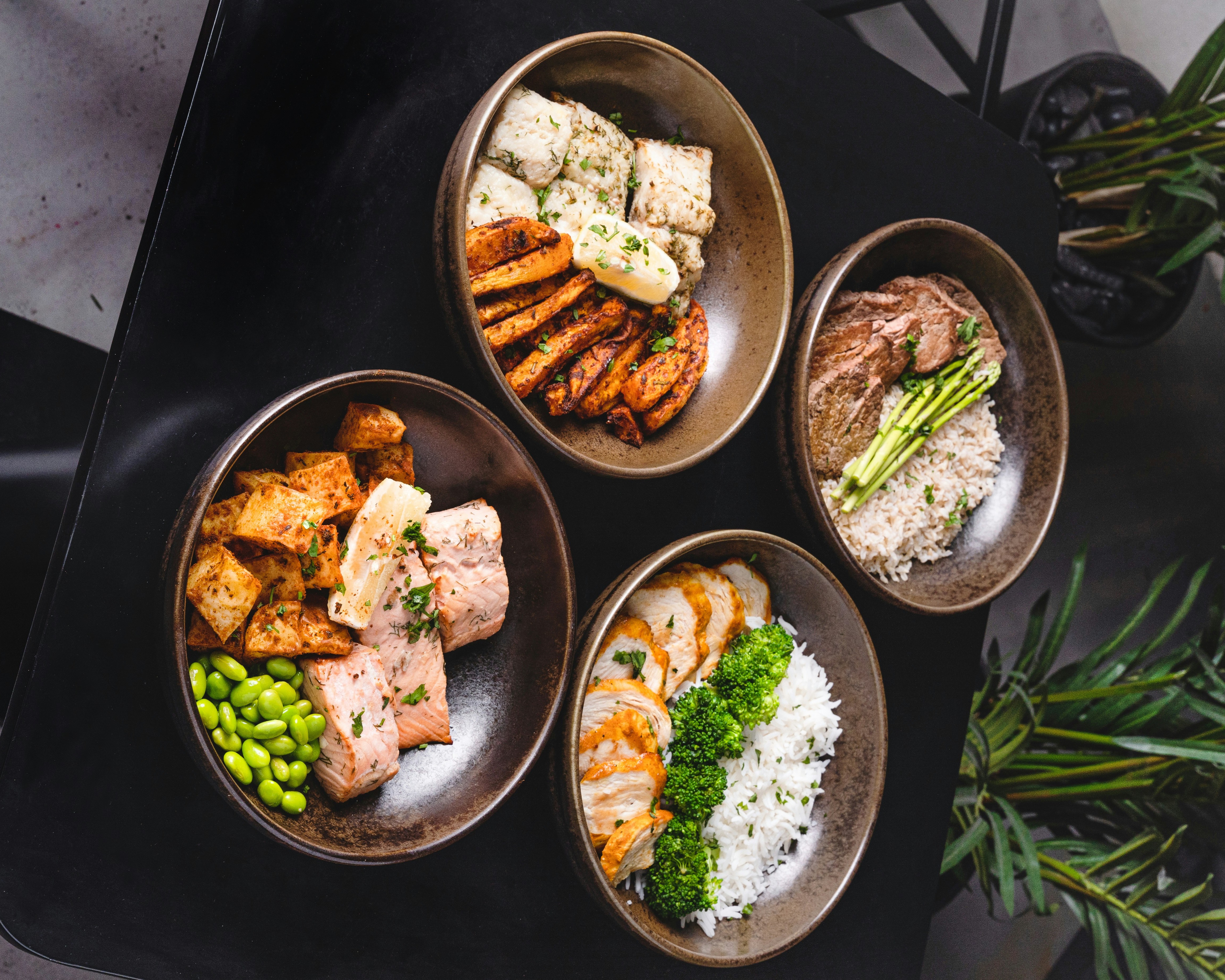
- Plain cod fillets2 × 150 gUnseasoned; bake with olive oil.
- White rice500 g bagUse ½ cup dry for tonight’s meal.
- Carrots3 mediumPeel, slice, and steam until soft.
Your personal gut health agent.
Hara connects your symptoms, meals, and daily check-ins to help you understand changes, plan your next steps, and stay connected with your care team.
Scan first. See what may affect tolerance.
Hara reads the menu, checks it against your gut history, and explains the personal signals behind every result.
Your data flows into better answers.
Hara starts with your own baseline, then updates what it has learned as symptom and symptom-free meals accumulate. Repeated, independent evidence carries more weight than a one-off.
Plan your meals. Share with your care team.
Meals and daily context, together.
Care between visits.
What you buy, eat, and log flows back into Hara’s next answer.
For people with IBD / IBS
Human expertise. Hara between visits.
A dietitian brings clinical judgement. Hara keeps everyday meals, reactions, and questions connected between appointments.
| Human dietitian | Hara AI dietitian | |
|---|---|---|
| Personal food guidance | ||
| No appointment needed | Appointment-based | |
| Questions between visits | Not always included | Ask anytime |
| Remembers everyday meals, reactions, and context | What you bring | |
| Checks a menu before you eat | During a visit | |
| Updates your pattern view | At follow-up | |
| Lower-cost ongoing support | Paid per appointment | Monthly or annual app plan |
| Best role in your care | Clinical nutrition care | Everyday food decisions |
Hara provides informational wellness support and does not diagnose or treat medical conditions. Use it alongside guidance from a qualified healthcare professional.
Your personal gut health agent.
Ask Hara to plan meals, build your grocery list, review symptom changes, and prepare for your next visit. Your food, check-ins, and preferences guide each next step.
Download HaraWhat can my personal gut health agent do?
Hara is your personal gut health agent. It connects your meals, symptoms, and daily context to help you choose what to eat, plan the week, track changes, and prepare for care. Ask a question, get a practical plan, then update Hara with what happened so future suggestions reflect your experience.
How does Hara turn my question into a plan?
Tell Hara what you need, such as “Plan dinners for this week.” It reviews the preferences, recent meals, and gut check-ins you’ve shared, suggests meal options, and builds a grocery list. You can ask it to adjust the plan as your needs change.
How does Hara make guidance personal?
Hara uses your meal history, check-ins, preferences, and the outcomes you log alongside published dietary guidance. Both symptom and symptom-free records help it update your patterns over time. When the evidence is limited or mixed, it keeps that uncertainty visible.
Can Hara tell which food caused a symptom?
No. Hara can highlight recurring associations in your records and explain the context, including portions, preparation, and timing. A pattern is a starting point for observation and discussion, not proof that a food caused a symptom.
How can Hara help between visits?
Ask Hara to organize recent meals, symptom changes, food patterns, and questions for your next appointment. Share the records you choose through Hara Care Portal so your care team can review the context and follow up between visits.
Who is Hara designed for?
Hara is for people navigating IBS, IBD, Crohn’s disease, or ulcerative colitis who want practical help with everyday gut health. You can use it to plan food choices, keep track of how you feel, and bring a clearer history to your care team.
Is Hara a diagnostic or treatment tool?
Hara provides informational wellness guidance. It does not diagnose conditions, measure inflammation, determine flare activity, or prescribe treatment. Your clinician remains the right person for medical decisions.
Hara combines information you choose to log with publicly available dietary guidance and research to provide informational wellness guidance. Personal signals describe associations in your records; they do not establish causation, diagnose disease, measure inflammation, or determine flare activity. Always seek guidance from a qualified healthcare professional for medical decisions.